











If your pick-to-light (PTL) provider has gone silent or is nudging you toward an expensive full-system overhaul, you’re not alone. Many operations face the same dilemma. Do you spend millions replacing everything or risk running unsupported gear?
Here’s the good news: There’s a smart third option. One that lets you extend, bridge, and modernize on your terms.
Table of Contents
1. Why are Legacy Pick-to-Light Systems Being Sunset?
2. What is Being Sunset Specifically?
3. What Pick-to-Light Recontrols Deliver
4. How Phased Pick-to-Light Modernization Works
5. Benefits of a Pick-to-Light Recontrol
Why Legacy Pick-to-Light Systems are Being Sunset
The clock is ticking on some older PTL systems. Hardware is reaching end of life, software is being retired, and support teams are moving on.
What’s really going away?
-
Core application software that drives legacy PTL workflows.
-
Hardware modules and lights are no longer being manufactured.
-
Spare parts, service plans, and support teams phasing out.
The risks? Unexpected downtime, lack of spares, and mounting technical debt.
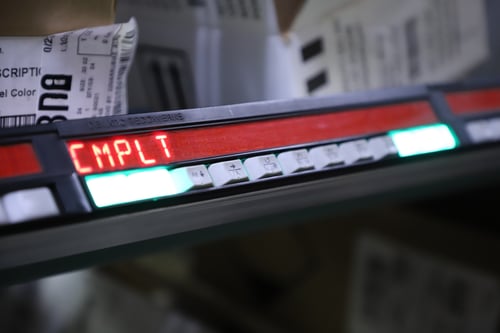 Pick-to-Light Recontrol: Keep the Lights on
An alternative way forward is a software-first recontrol approach that keeps existing pick-to-light infrastructure running, allowing retailers to continue supporting current picking processes. You preserve your investment, avoid disruption, and maintain control over picking operations.
What the recontrol delivers:
-
Translates WMS/WES instructions into legacy pick-to-light commands to make the hardware work.
-
Then, it relays information like pick confirmations back from the lights to the WMS/WES via a lightweight software communications bridge.
-
Maintains device connectivity and system visibility.
-
Allows you to manage fulfillment tasks like before.
Phased Modernization That Works with Your Budget and Timeline
Rather than a wholesale “rip-and-replace” strategy, this approach creates flexibility and fewer operational risks. Instead of sinking your entire budget into CapEx, turn it into a manageable OpEx investment - spread out the cost and keep operations stable.
How it works:
1. Deploy the software communications bridge
Reconnect your system to your lights so your operation remains stable. You can send messages directly to configured locations to display quantities and confirmations.
2. Maintain as planned
Keep your current hardware and reuse existing spares while maintaining uptime.
3. Phase in new hardware when ready
Upgrade lights and hardware as budget and operations permit or need arises. 1-1 replacement tags can be used to update pick and put without overhauling the entire system.
By phasing updates, you:
-
Reduce upfront capital expenditure (no massive one-time hit).
-
Protect operations from disruption and downtime.
-
Give technical staff more manageable changes and training cycles.
-
Maximize the value of what you already have installed instead of throwing it away.
Extend Today. Modernize Tomorrow. Avoid Getting Left in the Dark.
Sunset deadlines for legacy pick-to-light systems are real and coming fast. You don’t have to be forced into an “all or nothing” scenario.
-
Keep the lights on and your operation moving.
-
Stabilize and protect your automation investment.
- Continue to receive support for your picking operations.
-
Phase in functionality and hardware at your pace and budget.